8-Week Dumbbell-Only Fat Loss Plan
Lose fat at home, in a hotel gym, or anywhere you have dumbbells and a bench. Three full body sessions per week built to preserve muscle while dieting, no barbell required.
Program Overview
Not everyone cutting has a full gym. Some people train at home with a pair of adjustable dumbbells. Some travel constantly and live off hotel gyms. Some have a gym membership but prefer the convenience of a home setup. All of them deserve a fat loss program that takes their training seriously instead of treating the equipment list as an excuse to go easy. This program is built around what dumbbells do well. Three full body sessions per week, straight sets, moderate to higher rep ranges, and movement patterns that cover every major muscle group. The deficit will handle the fat loss. Your job is to keep the muscle you already have and maybe add a little where you can.
The evidence on muscle preservation during a deficit is clear. What matters most is hard training with sufficient volume and progressive overload, and protein intake. Barbells are not required for any of that. A thoughtful dumbbell program covers all the same bases with a different toolkit.
Who Is This For?
This program is built for anyone who wants to lose fat while training at home or with a limited setup. It assumes you already know how to lift and have been training consistently for at least a year. This plan is right for you if:
- You train at home, travel frequently, or have limited gym access
- You own or have access to a pair of adjustable dumbbells and a bench
- You have at least 12 months of consistent lifting behind you
- You want to preserve muscle and keep progressing during a cut
- You prefer straight sets over circuits, supersets, or timed formats
If you have less than a year of training, start with something more foundational. Our other fat loss programs include beginner-friendly options with more structure around learning the movements.
Weekly Schedule
Phase 1: Establish the Pattern (Weeks 1-4)
Three full body sessions per week, all exercises at 3 sets of 8-12 reps with 60-90 second rest periods. The short rest periods keep your heart rate elevated while the compound exercises preserve muscle. The deficit drives the fat loss. The training preserves what you have built.
You will run out of dumbbell weight eventually. Before that happens, there are four ways to keep progressing: add a rep, add a set, slow the tempo, or move to a harder variation. Use reps and tempo first. Save dumbbell jumps for when you genuinely cannot add another clean rep to the top of your range.
Hold one dumbbell vertically against your chest, elbows tucked. Squat down keeping your torso upright, letting your elbows track between your knees. Drive through your heels to stand.
Lie flat on a bench, dumbbells at chest level with palms forward. Press both dumbbells up until your arms are extended, then lower under control until you feel a stretch across your chest.
Place one hand and the same-side knee on a bench. Row the dumbbell in the other hand up to your hip, squeezing your back at the top. Lower slowly and repeat, then switch sides.
Hold dumbbells at your sides. Step up onto a sturdy bench or box with one foot, driving through your heel until you are standing fully on top. Lower with control. Complete all reps on one leg before switching.
Sit on the floor with knees bent, feet slightly off the ground, holding a dumbbell with both hands. Rotate your torso to one side, bringing the dumbbell beside your hip, then rotate to the other side.
Sit or stand with dumbbells at shoulder height, palms forward. Press both overhead to full extension, then lower with control back to shoulder height.
Hold dumbbells in front of your thighs with a soft knee bend. Push your hips back and lower the dumbbells along your legs until you feel a strong hamstring stretch. Drive your hips forward to return. The video demonstrates the barbell version to show the movement pattern, but use dumbbells as described.
Bench set to around 30 degrees. Dumbbells at shoulder level with palms forward. Press up until your arms are extended, then lower with control to a deep stretch.
Hold a dumbbell at your chest or at your sides. Step wide to one side, pushing your hips back and bending the stepping leg while keeping the other leg straight. Drive through the bent leg to return. Complete all reps on one side before switching.
Start in a side plank position on your forearm. Lower your hip toward the floor, then drive it back up by squeezing your obliques. Complete all reps on one side before switching.
Stand a stride length in front of a bench. Place the top of your rear foot on the bench behind you and hold dumbbells at your sides. Lower straight down until your back knee nearly touches the floor, then drive through your front heel to return.
Hinge at the hips with a flat back, dumbbells hanging at arm's length. Row both up to your lower ribs with a neutral grip, squeezing your shoulder blades together, then lower with control.
Stand with dumbbells at your sides, palms forward. Curl one up without swinging, lower slowly, repeat on the other side.
Sit or stand holding one dumbbell overhead with both hands, arms fully extended. Lower the dumbbell behind your head by bending at the elbows, keeping your upper arms fixed. Extend back to the start.
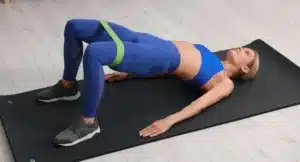
Lie on your back with your feet elevated on a bench, knees bent. Hold a dumbbell across your hips. Drive your hips up until your body forms a straight line from shoulders to knees. Squeeze hard at the top, then lower slowly.
Brisk walking most days of the week. Outdoors, on a treadmill, or at an incline. The goal is volume and consistency, not speed.
Light stretching and mobility work focused on hips, thoracic spine, and shoulders. Particularly useful the day before or after your heaviest session of the week.
Phase 2: Push the Intensity (Weeks 5-8)
Phase 2 keeps the same exercises and session structure. The rep range drops to 6-10 so you can push heavier loads. Sets stay at 3 and rest stays at 60-90 seconds. Heavier weight, same time under tension framework.
On every accessory lift in Phase 2, take three full seconds on the lowering phase of every rep. That small change turns a set of 12 with your heaviest dumbbell into something meaningfully harder than the same set at normal tempo. Progression without needing to buy more equipment.
Hold one dumbbell vertically against your chest, elbows tucked. Squat down keeping your torso upright, letting your elbows track between your knees. Drive through your heels to stand.
Lie flat on a bench, dumbbells at chest level with palms forward. Press both dumbbells up until your arms are extended, then lower under control until you feel a stretch across your chest.
Place one hand and the same-side knee on a bench. Row the dumbbell in the other hand up to your hip, squeezing your back at the top. Lower slowly and repeat, then switch sides.
Hold dumbbells at your sides. Step up onto a sturdy bench or box with one foot, driving through your heel until you are standing fully on top. Lower with control. Complete all reps on one leg before switching.
Sit on the floor with knees bent, feet slightly off the ground, holding a dumbbell with both hands. Rotate your torso to one side, bringing the dumbbell beside your hip, then rotate to the other side.
Sit or stand with dumbbells at shoulder height, palms forward. Press both overhead to full extension, then lower with control back to shoulder height.
Hold dumbbells in front of your thighs with a soft knee bend. Push your hips back and lower the dumbbells along your legs until you feel a strong hamstring stretch. Drive your hips forward to return. The video demonstrates the barbell version to show the movement pattern, but use dumbbells as described.
Bench set to around 30 degrees. Dumbbells at shoulder level with palms forward. Press up until your arms are extended, then lower with control to a deep stretch.
Hold a dumbbell at your chest or at your sides. Step wide to one side, pushing your hips back and bending the stepping leg while keeping the other leg straight. Drive through the bent leg to return. Complete all reps on one side before switching.
Start in a side plank position on your forearm. Lower your hip toward the floor, then drive it back up by squeezing your obliques. Complete all reps on one side before switching.
Stand a stride length in front of a bench. Place the top of your rear foot on the bench behind you and hold dumbbells at your sides. Lower straight down until your back knee nearly touches the floor, then drive through your front heel to return.
Hinge at the hips with a flat back, dumbbells hanging at arm's length. Row both up to your lower ribs with a neutral grip, squeezing your shoulder blades together, then lower with control.
Stand with dumbbells at your sides, palms forward. Curl one up without swinging, lower slowly, repeat on the other side.
Sit or stand holding one dumbbell overhead with both hands, arms fully extended. Lower the dumbbell behind your head by bending at the elbows, keeping your upper arms fixed. Extend back to the start.
Lie on your back with your feet elevated on a bench, knees bent. Hold a dumbbell across your hips. Drive your hips up until your body forms a straight line from shoulders to knees. Squeeze hard at the top, then lower slowly.
Slightly longer walks as your training load increases. Keep the pace brisk but not punishing.
Same framing as Phase 1. Ten focused minutes of hip and thoracic spine work pays off under heavier loading in Phase 2.
8-Week Dumbbell-Only Fat Loss Plan PDF
A dumbbell-only fat loss program for lifters who train at home, in a hotel gym, or anywhere with a pair of dumbbells and a bench.
This is a 3-day full body split you run for 8 weeks. Phase 1 (weeks 1-4) has you working 3 sets of 8-12 reps with 60-90 second rest on every exercise. Phase 2 (weeks 5-8) keeps the same exercises and structure but drops the rep range to 6-10 so you can push heavier loads, with a 3-second lowering phase built into accessory lifts to add difficulty once your dumbbells max out. All you need is a set of adjustable dumbbells and a bench.
- Full Body Coverage, Three Days A Week Each session hits squat, push, pull, hinge, and single-leg patterns so nothing gets neglected across the week. Sessions run on straight sets, not circuits or supersets.
- Progress Without Adding Weight When you run out of dumbbell weight, you add a rep, add a set, slow the tempo, or move to a harder variation before jumping up in load. Phase 2 leans on a 3-second lowering phase on accessory lifts to make a capped dumbbell feel heavier.
- Built To Preserve Muscle In A Deficit Moderate to higher rep ranges and full range of motion on presses and rows keep the training stimulus high while the calorie deficit does the fat loss work. The goal is to hold onto the muscle you have and add where you can.
Get Your Dumbbell-Only Fat Loss Plan
Includes both training phases, the weekly schedule, and exercise cues for all three sessions. Download instantly after you submit the form.
Unsubscribe any time.
Nutrition Guidance
Fat loss happens when you are in a calorie deficit. Training exists to preserve lean mass and keep you strong through the diet. Dumbbells handle the training side perfectly well. Your nutrition is what makes or breaks the fat loss. One of the biggest advantages of training at home is the control it gives you over your food. Our guide to high protein meal prep covers how to build a weekly food rotation that keeps your protein high without eating into your day.
The Basics
- Calorie deficit: A deficit of 300 to 500 calories per day is a sensible starting point for most people. Larger deficits are harder to sustain and make it harder to train hard three times per week. Our macro calculator gives you a calorie and protein target to work from.
- Protein: 1.8 to 2.2g per kg of bodyweight per day. Higher protein becomes more important, not less, when you are dieting. It protects lean mass and helps recovery between sessions. If you struggle to hit your protein, our high protein recipes can help.
- Protein distribution: Aim to hit around 30g of protein per meal across three to four meals per day. This spreads the muscle-building stimulus more evenly than eating most of your protein in one big dinner.
- Sleep: Seven to nine hours per night. Sleep becomes more critical when calories are low and training is consistent.
The target of roughly 30g of protein per meal is not a random number. Read our guide on why 30g of protein per meal matters for the research behind it and practical ways to hit it at every meal.