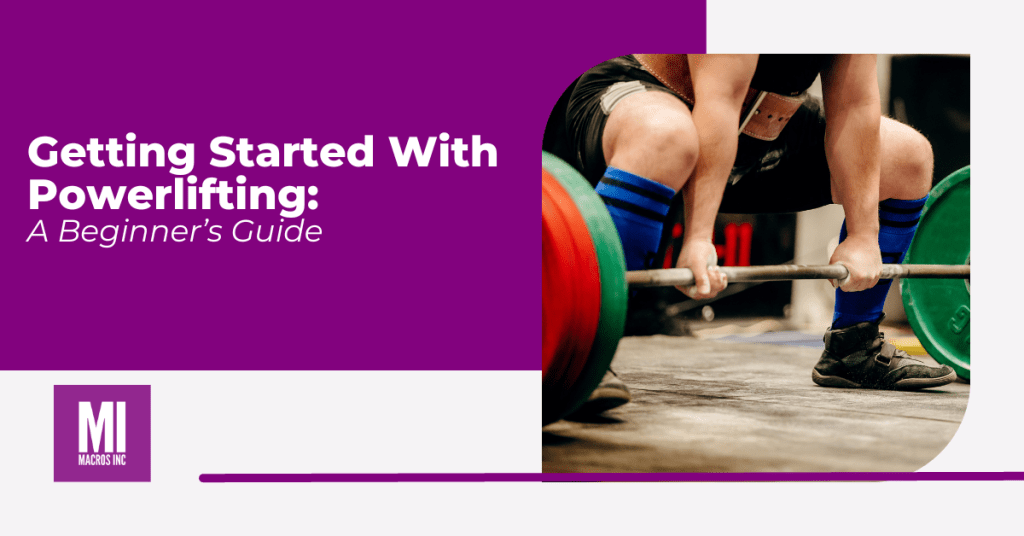
Powerlifting is one of the most accessible strength sports out there. The barriers to entry are low, the local meet community tends to be welcoming, and the requirements (squat, bench, deadlift, and some weight on the bar) describe what most lifters are already doing in the gym anyway. If you’ve been training for a while and are curious about the sport side of things, this is a good starting point.
Jump to a Topic
How to Start Powerlifting
What Powerlifting Actually Is
Powerlifting is a sport built around three lifts: the squat, the bench press, and the deadlift. In competition, each lifter gets three attempts at each lift, with the heaviest successful attempt counting. The three best lifts are added together to produce the lifter’s “total,” and the highest total in a given weight class wins.
That’s the entire sport at the structural level. There’s nuance in technique, equipment categories, federation rules, and programming for meet prep, but the core is just those three lifts moved as much weight as possible on the day.
Do I Need to Compete to Be a Powerlifter?
No. Plenty of people train the powerlifts and consider themselves powerlifters without ever stepping on a competition platform. All you need to start is a barbell, a bench, and some weight. As you gain confidence with the lifts, you can decide whether you actually want to test yourself at a meet. Some people stay in the gym permanently and that’s a completely valid version of the sport.
That said, competing once is usually worth doing if you’re curious. The structure of meet day, the pressure of attempt selection, and the experience of warming up for a third attempt at a meaningful weight tends to change how you train afterwards, regardless of whether you become a regular competitor.
Who Powerlifting Is For (and Isn’t)
Powerlifting suits you if you enjoy the big compound lifts more than isolation work, like the idea of measurable strength progress, and don’t mind structured programming with low-rep work and serious heavy sets. The training tends to be slower-paced (longer rest periods, fewer total exercises per session) than typical bodybuilding-style training. Some people love this. Others find it boring.
Powerlifting probably isn’t the right fit if your primary goal is purely aesthetic. Powerlifters often look strong, but the training prioritises moving maximum weight on three specific movements rather than developing balanced muscle visually. If you want a physique-focused approach, our guide to gaining muscle covers the hypertrophy side in detail.
If you’re brand new to lifting altogether, it’s also worth spending 6 to 12 months building a base of general strength training before pivoting to powerlifting-specific programming. The skill of executing a squat, bench, and deadlift with good technique takes time, and rushing into competition-style training before you’ve grooved the basics tends to slow your long-term progress.
Building the Foundation
Before getting into meet-prep cycles and specialized powerlifting programs, most beginners benefit from running a structured strength program centered on the big compound lifts. Three to four sessions a week, focused on squat, bench, deadlift, and a handful of accessory exercises, is plenty to build a solid base.
If you don’t already have a program, our 3-day full-body strength program hits all three competition lifts with good frequency and is a sensible starting point. Run something like this for at least 12 weeks before considering a switch to powerlifting-specific programming.
As you get further along, recovery becomes a real lever. Heavy compound lifting accumulates fatigue fast, and the people who stall in powerlifting are almost always either not eating enough, not sleeping enough, or not deloading often enough. Our piece on rest and recovery covers why that matters. If you’re already 6 to 12 months in and stuck, breaking through a strength training plateau walks through the diagnostic process.
Free Strength Building Programs
Building a strength foundation before powerlifting-specific work pays compound returns. Our muscle gain programs include several full-body strength splits that work well as a base before transitioning to meet prep.
The Competition Side
Once you’ve decided you want to compete, the next decisions are which federation to enter and when to attempt your first meet. Most beginners benefit from a meet-prep cycle of 8 to 12 weeks of dedicated training before competition day, with the final 1 to 2 weeks tapering down to peak for the lifts.
Finding a Local Meet
The leading federations in the US are the USPA and USAPL, both of which run meets at all levels from local beginner-friendly events through national qualifiers. For a first meet, picking a local event in your area removes travel stress and lets you focus on the lifts themselves. Federation websites publish their meet calendars and registration is usually handled online.
Equipment Requirements
For a beginner-level meet in a raw division (no supportive suits or shirts), the equipment requirements are minimal. Most federations require a singlet, and lifting shoes plus a belt are common but not mandatory. Knee sleeves and wrist wraps are usually allowed within specified dimensions. Check the rulebook of the federation you’re competing in for the specifics before showing up with anything you’ve spent money on.
Universal Rules to Know
Federation-specific rules vary, but a few basics apply across most:
- Squat depth: the crease of the hip has to drop below the top of the knee. Half squats don’t pass.
- Bench press pause: the bar must come to a controlled stop on the chest before you press. No touch-and-go reps.
- Deadlift lockout: hips and knees both fully extended, shoulders back, controlled descent.
- Referee commands: each lift has specific commands from the chief referee that have to be followed. Missing a command (re-racking before the “rack” command, for example) disqualifies the attempt regardless of how the lift looked.
Watching a few hours of meet footage on YouTube before your first competition is the easiest way to internalize the flow and the commands. You’ll see what good attempts look like, where lifters tend to miss, and how the referee timing works.
Is There a Strength Requirement to Compete?
No. Local powerlifting meets are deliberately welcoming to first-time lifters. You’ll find people on the platform totalling anywhere from a few hundred pounds to over 2,000, and the crowd will cheer for both with the same energy. Showing up and lifting respectfully is the entire bar.
Every champion started at their first meet. If you’re hesitant about competing because you don’t think you’re strong enough yet, that’s almost always the wrong reason to wait. The numbers on the bar matter much less than getting the meet-day experience under your belt.
Where to Go From Here
The path is straightforward. Build a strength foundation with structured training, learn good technique on the three lifts, find a local meet 8 to 12 weeks out, and sign up. The first meet teaches you more about the sport than any amount of reading about it.
If you’d like a coach to build the foundation phase, structure your meet prep, and help with attempt selection on competition day, our coaches can help.
No gimmicks. No restrictions.
Start your journey with expert coaching, personalized nutrition, and real results, absolutely free for two weeks.