
8-Week Deadlift Specialization Program
Eight weeks built around one goal: a bigger deadlift. Heavy pulling, targeted variations, and the posterior chain work that turns a stalled lift into a new personal best.
Program Overview
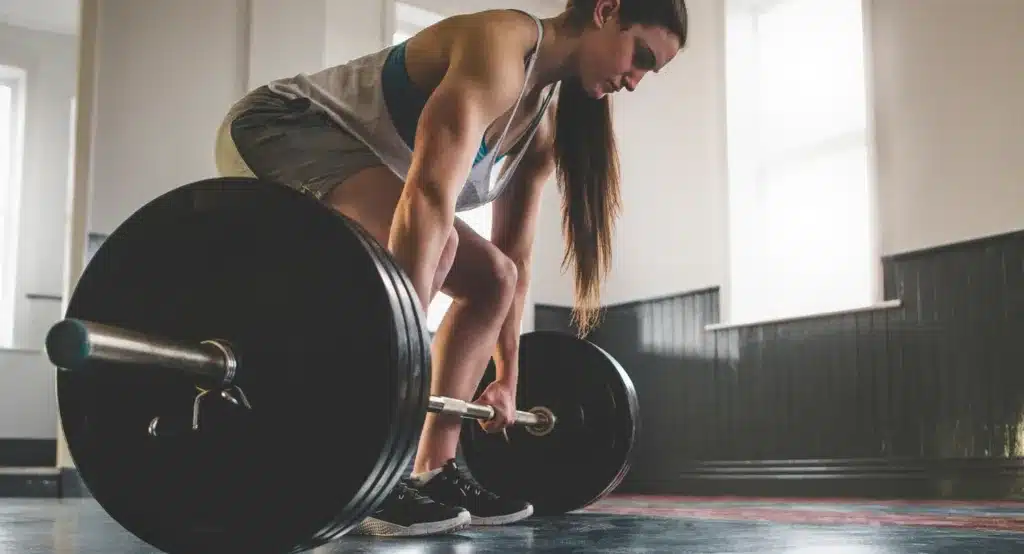
This program is built around a single goal: adding weight to your deadlift. The first session is heavy pulling, using the competition lift plus deficit deadlifts and rack pulls to attack your weak points off the floor and at lockout. The second session builds the posterior chain that drives the lift, and the third trains your legs and supporting muscles so nothing becomes a limiting factor. Specialization works because it concentrates your effort on one lift for a defined block, which is why this runs for eight weeks and then stops. Every exercise includes a form video.
Experienced lifters with a solid deadlift technique who want to break through a plateau. Not a starting point for beginners.
Who Is This For?
This program suits you if:
- You already deadlift with confident, solid technique
- Your deadlift has stalled and you want to push through it
- You can train three days a week and recover from heavy pulling
- You are happy to prioritize one lift for eight weeks
If your deadlift technique is still developing, build a base with a full-body or upper-lower program first. Browse our plans to find one.
Weekly Schedule
Phase 1: Build the Base (Weeks 1-4)
Run all three sessions weekly. The heavy pull comes first each week while you are fully recovered. Work in the prescribed rep ranges and keep one rep in reserve on your top sets, since technique breakdown under fatigue is where deadlift injuries happen.
Base your working weights on a recent honest max, not your best ever lift. Starting slightly conservative in week one leaves room to build across the block.
Stand with feet hip-width apart, bar over mid-foot.
Stand on a low platform or weight plate, grip the barbell with hands just outside your knees.
Set the barbell at knee height in a power rack.
Stand holding a barbell at arm's length with an overhand grip, hands shoulder-width apart.
Sit at a cable row station with feet on the platforms and knees slightly bent.
Hold the barbell at hip height with an overhand grip, feet hip-width apart.
Place a barbell on your upper traps.
Sit with your upper back against a bench, barbell across your hips.
Sit at a lat pulldown station, grip the wide bar with an overhand grip slightly wider than shoulder width.
Hinge at the hips with a dumbbell in each hand.
Place the barbell on your upper traps, squat down until thighs are at least parallel.
Hold a barbell at hip height, keep your legs nearly straight with only a slight knee bend.
Stand a couple of feet in front of a bench and place one foot behind you on the bench.
Rest the barbell on your front deltoids with elbows high and upper arms parallel to the floor.
Stand on a raised surface with the balls of your feet on the edge and heels hanging off.
A brisk walk on your rest days to aid recovery and keep you active.
Light stretching and mobility for any areas that felt tight in your last session.
Phase 2: Add Intensity (Weeks 5-8)
Same structure, now pushing the main pull closer to a true maximum effort. Keep your accessory work controlled, all the added intensity should go into the deadlift itself.
If you want to test a new max, do it in week eight after a couple of lighter days, not mid-block. Chasing maxes every week is what stalls a deadlift in the first place.
Stand with feet hip-width apart, bar over mid-foot.
Stand on a low platform or weight plate, grip the barbell with hands just outside your knees.
Set the barbell at knee height in a power rack.
Stand holding a barbell at arm's length with an overhand grip, hands shoulder-width apart.
Sit at a cable row station with feet on the platforms and knees slightly bent.
Hold the barbell at hip height with an overhand grip, feet hip-width apart.
Place a barbell on your upper traps.
Sit with your upper back against a bench, barbell across your hips.
Sit at a lat pulldown station, grip the wide bar with an overhand grip slightly wider than shoulder width.
Hinge at the hips with a dumbbell in each hand.
Place the barbell on your upper traps, squat down until thighs are at least parallel.
Hold a barbell at hip height, keep your legs nearly straight with only a slight knee bend.
Stand a couple of feet in front of a bench and place one foot behind you on the bench.
Rest the barbell on your front deltoids with elbows high and upper arms parallel to the floor.
Stand on a raised surface with the balls of your feet on the edge and heels hanging off.
A brisk walk on your rest days to aid recovery and keep you active.
Light stretching and mobility for any areas that felt tight in your last session.
8-Week Deadlift Specialization Program PDF
Eight weeks built around one goal, a bigger deadlift: heavy pulling, targeted variations, and the posterior chain work that turns a stalled lift into a new best.
This is a 3-day deadlift specialization block you run for 8 weeks with full gym access. The deadlift focus day leads with the heavy pull, then deficit pulls and rack pulls to attack the floor and the lockout; the posterior chain day runs Romanian deadlifts, good mornings, and hip thrusts; the legs and support day covers squats and stiff leg pulls. Each session runs 5 exercises for 17 to 18 sets. Phase 1 (weeks 1-4) bases the loads on a recent honest max with one rep in reserve on top sets. Phase 2 (weeks 5-8) pushes the main pull closer to a true maximum, with a new max tested in week 8 after a couple of lighter days.
- Attack The Floor And The Lockout Separately Deficit deadlifts build the start, rack pulls build the finish. Whichever part of your pull is weak, one of these is there for it.
- The Posterior Chain Gets Its Own Day Hamstrings, glutes, and lower back through Romanian deadlifts, good mornings, and hip thrusts, so the muscles behind the lift get built, not just the lift.
- Max In Week 8, Not Every Week The PDF is explicit: chasing maxes mid-block is what stalls a deadlift. Build for seven weeks, deload briefly, then pull.
Get Your Deadlift Program
Includes both training phases, the weekly schedule, and exercise cues for all three sessions. Download instantly after you submit the form.
Unsubscribe any time.
Nutrition Guidance
Heavy pulling is demanding, and recovery starts with your nutrition. Our macro calculator sets your calories and protein targets, and our recipes make hitting them easier. If you are choosing between programs, our guide on choosing the right plan for your goals is worth a read.
The Basics
- Calories: Eat in a slight surplus of 250 to 500 calories per day to build muscle while minimizing fat gain. Our macro calculator sets your starting point.
- Protein: 1.6 to 2.2g per kg of bodyweight daily to drive recovery and muscle growth. Browse our recipes for ideas.
- Hydration: Drink water consistently, especially on training days.
- Sleep: Seven to nine hours per night. Muscle is built during recovery, not during the session.
Use the macro calculator to set your calories and protein for your goal, then track your bodyweight as a weekly average and adjust in small increments based on the trend.